
Mediterranean cuisine in Petrer: the flavours of the Vinalopó
When people speak of Mediterranean cuisine, their thoughts fly to the sea. But inland Alicante, in the Vinalopó region, holds a culinary tradition that combines market-garden produce, game, rice and the flavours of the mountains in a way as authentic as any coastal recipe. Petrer is one of those places where inland Mediterranean cooking makes complete sense.
Petrer and its gastronomic tradition
The town of Petrer, in the heart of the Vinalopó Valley, has a gastronomic identity shaped by the confluence of cultures. The Arab legacy —visible in the 12th-century castle that dominates the town— left its mark on the spices, the rice dishes and the pickled vegetables that still form part of the local cuisine. The Valencian and Castilian influence completes a mosaic of flavours unlike any other.
In Petrer, eating well is no accident: it is a tradition handed down from generation to generation, where the Sunday family gathering around a paella or a baked rice is almost a sacred ritual. Families come together, the children play in the courtyard and the elders supervise the point of the rice with the authority of those who have done it all their lives.
This tradition lives not only in homes. The restaurants of the area are direct heirs of that culture of the table, and the best of them —like Finca La Esperanza— interpret it with respect and without artifice.
The Arab legacy in Vinalopó cuisine
The Arab presence in the Vinalopó over more than five centuries left a mark that goes far beyond the architecture of Petrer's castle. In the kitchen, that legacy is deep and tangible.
Spices and techniques
The use of saffron in rice dishes, cumin in meat stews, cinnamon in desserts and paprika as the base of sofritos all trace directly to Andalusian cooking. The technique of dry rice cooked in a wide, shallow paella pan —which allows the socarrat (toasted crust)— descends from the wood-fire cooking methods the Arabs perfected in these lands.
Water and the market garden
The irrigation systems the Arabs introduced in the Vinalopó —weirs, channels, reservoirs— transformed a dry land into an orchard capable of producing the vegetables, fruit trees and greens that still nourish local cooking today. Without that hydraulic infrastructure, the Vinalopó market garden as we know it would not exist.
The sweets
The region's pastry-making preserves the Arab imprint in the almojábanas, the almond mantecados and the aniseed cakes that accompany the festivals. The turrones (nougat) of Jijona and Alicante, made just a few kilometres away, are the best-known example of this confectionery heritage blending almond, honey and orange-blossom water.
The star products of the region
The Vinalopó is generous land. Its geographical position —between the coast and the plateau, sheltered by mountain ranges that block the northern winds— creates a microclimate that favours diverse, quality agriculture.
The bagged grape
The bagged table grape of the Vinalopó, with its own Denomination of Origin, is the region's most emblematic product. Each bunch is individually protected with a paper bag that shields it from pests and direct sun, allowing slow ripening that concentrates flavour and sugar. It is the grape of Christmas Eve across the whole of Spain.
Olive oil
The local mills press extra virgin olive oil from arbequina and blanqueta varieties, with a fruity, slightly peppery profile that distinguishes inland Alicante cooking. A good alioli or a salad dressed with this oil is worth more than any description.
Other products of the land
- Almonds: the base of turrones, sweets and sauces such as picada or ajoblanco.
- Pomegranates from Elche: a few kilometres away, the largest pomegranate production in Europe.
- Market-garden vegetables: tomatoes, peppers, bajoqueta (green beans), artichokes, broad beans, wild asparagus.
- Mountain aromatic herbs: thyme, rosemary, pebrella — essential in rice dishes and stews.
- Mountain snails: an essential ingredient of the Vinalopó country rice.
Coast and interior: two cuisines, one Mediterranean
There is a tendency to identify the Mediterranean exclusively with the coast. But the cuisine of inland Alicante has as much Mediterranean legitimacy as that of any coastal town. What changes are the accents, not the essence.
While the coast works with fresh fish, seafood and arroz a banda, the interior of the Vinalopó builds its cuisine on small game, pulses, farmyard meats, market-garden vegetables and dry rice cooked over firewood. Where the coast puts red prawn, the interior puts rabbit and snails. Where the coast dresses with lemon, the interior seasons with rosemary and pebrella.
Both traditions share, however, the same pillars: olive oil as the fundamental fat, rice as the structuring cereal, seasonal vegetables as garnish and accompaniment, and the long after-dinner conversation as a social institution. In Petrer, moreover, the closeness to Santa Pola and the Alicante fish market means fresh seafood reaches inland tables within hours, creating a fusion of coast and interior that few territories can offer.
The gastronomy of the Vinalopó is neither inland cooking nor coastal cooking: it is crossroads cooking, from a valley that has always looked towards the sea without turning its back on the mountains.
Dishes you cannot miss in Petrer
If you visit Petrer eager to eat well, there are certain dishes you cannot ignore.
Rice dishes
The paella de campo (country paella) —with chicken, rabbit, bajoqueta and garrofó (butter beans)— is the queen of any celebration. The arroz al horno (baked rice), with chickpeas, black pudding and pork rib, is the winter version that warms body and soul. And the arroz caldoso de montaña (soupy mountain rice), with mushrooms and rabbit, is an experience found only in inland Alicante. If you want to get to know all the rice dishes of the area in depth, we recommend our article dedicated to the rice dishes of the Vinalopó.
The gazpacho manchego
The gazpacho manchego —here simply called "the gazpacho", not to be confused with the cold Andalusian version— is the shepherd's stew that has survived fashions and trends on its own merits. A thin sheet of dough cooked in game broth, with vegetables and the aroma of mountain rosemary. Hearty, comforting and utterly genuine.
Fish-market seafood
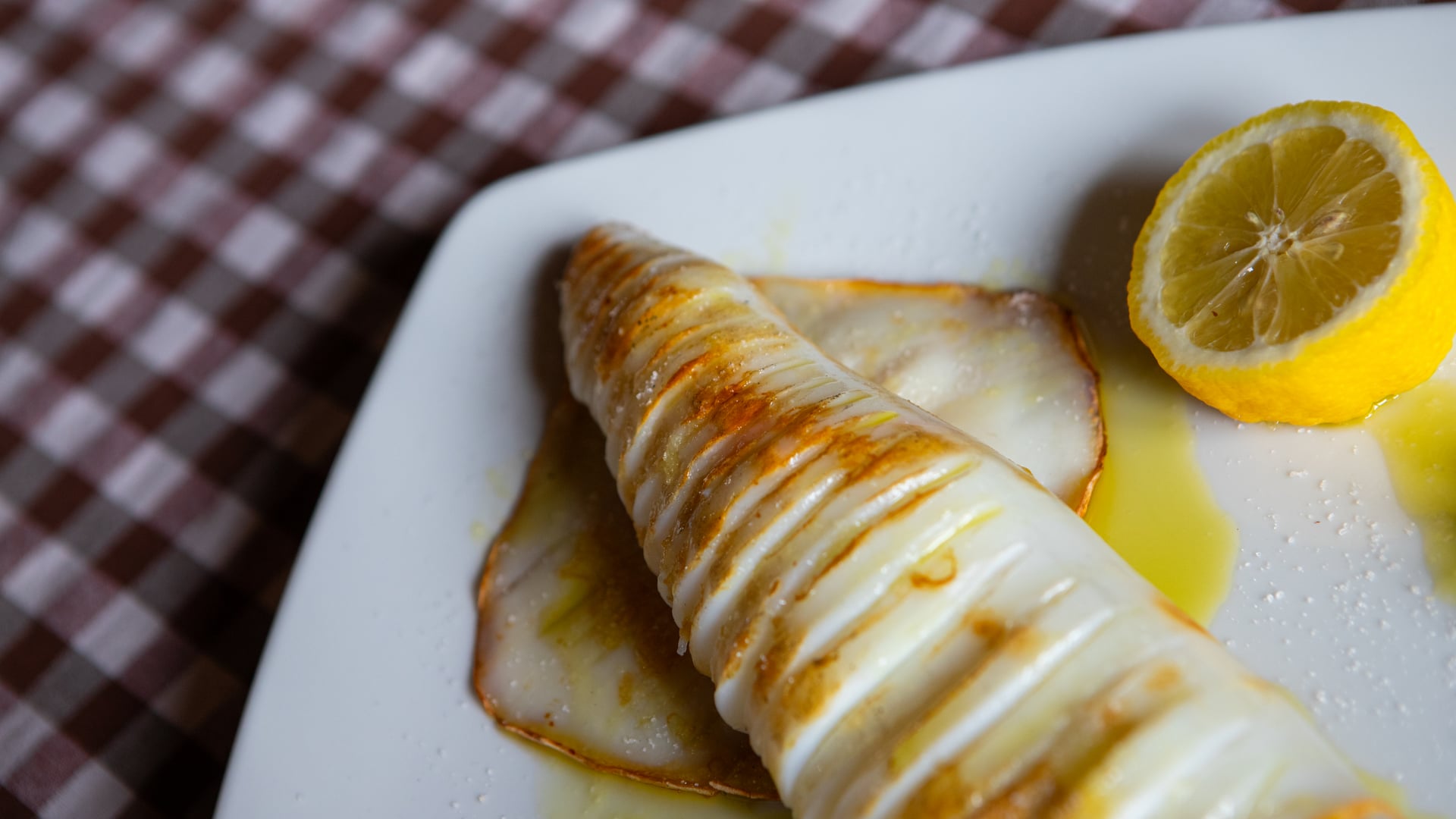
For seafood lovers, the closeness to Santa Pola guarantees fresh produce: red prawns, espardenyes (sea cucumbers), razor clams and grilled cuttlefish are regulars on the menus of the area's best restaurants. Petrer, though inland, does not turn its back on the sea.
The Vinalopó produce calendar
The region's cuisine follows a rhythm set by the seasons. Knowing it is to understand why it is worth coming back at every time of year.
- Winter: cardoons, artichokes, mountain mushrooms, small game, citrus. Pulse stews, pucheros, gachas, pelotas with turkey.
- Spring: tender broad beans, wild asparagus, peas, late artichokes, fresh almonds. Vegetable rice dishes, salads, seasonal cocas.
- Summer: local tomato, pepper, aubergine, watermelon, melon. Salads, cold gazpacho, seafood rice, meals on the terrace.
- Autumn: bagged grape, pomegranate, mushrooms (saffron milk caps), sweet potato, quince. Mountain rice dishes, game stews, the first turrones.
Mediterranean cuisine at Finca La Esperanza
At Finca La Esperanza, the Mediterranean cuisine of the Vinalopó takes shape in a menu that changes with the seasons. The kitchen team works with local producers to guarantee fresh produce and respect for the culinary tradition of Petrer.
The estate, nestled among centuries-old olive groves with views of the Maigmó mountains, is the ideal setting to enjoy this cuisine. Eating on the terrace in spring, with the air laden with the scent of almond and olive trees, is an experience that goes beyond the gastronomic: it is a connection with the land that few places can offer.
No dishes without history are invented here: every recipe has roots in the region and is cooked with the honesty of those who know that the best seasoning is respect for the ingredient.
A dining experience worth repeating
The Mediterranean gastronomy of Petrer cannot be understood in a single visit. Each season brings its own produce, its own recipes and its own rhythm. In winter, the mountain stews; in spring, the seasonal vegetables and country rice; in summer, the fresh seafood and the afternoons on the terrace; in autumn, the game and the mountain mushrooms.
If you want to discover first-hand why Petrer is one of the most authentic gastronomic destinations in the province of Alicante, Finca La Esperanza awaits with the table set. Book ahead, especially in high season, and get ready for an experience you will want to repeat.