
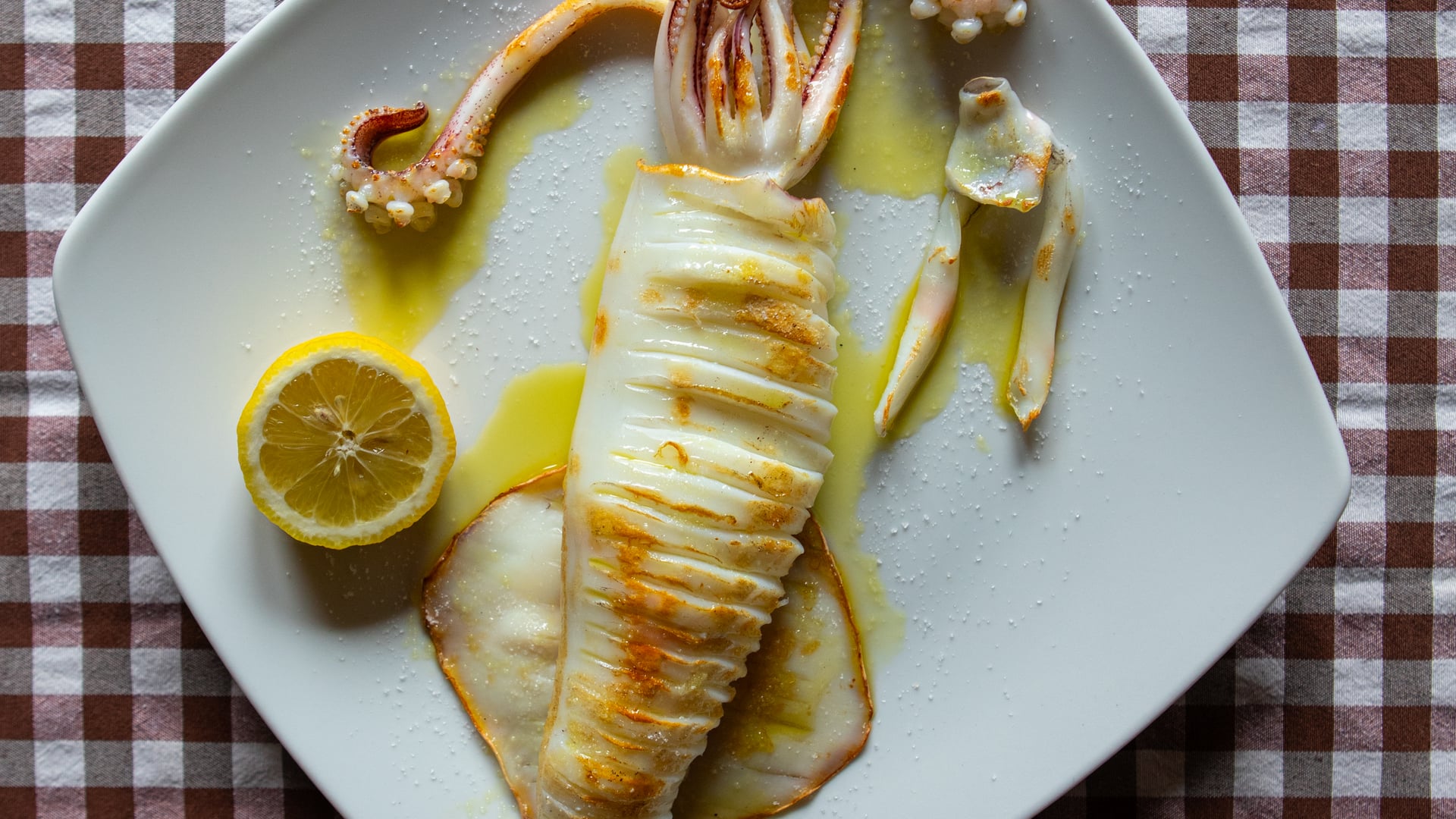
Zero-kilometre produce: the local cuisine of the Vinalopó
Behind every good dish there is a prior decision that many diners don't see: where what they're eating comes from. Zero-kilometre produce, the kind grown, raised or fished close to where it's cooked, is the true foundation of the Mediterranean cuisine of the Vinalopó. It's not a fad or a marketing label: it's a way of understanding gastronomy that prioritises proximity, season and flavour. At Finca La Esperanza we're clear about it, and in this article we tell you why the local produce of the Vinalopó makes all the difference.
What zero-kilometre produce is
The concept of zero-kilometre produce (or "km 0") refers to foods that travel the shortest possible distance between the place where they're produced and the plate where they're eaten. The idea is simple: the shorter the journey, the fresher the produce arrives, the less energy is spent transporting it and the more the local producers are supported.
It's not just a geographical matter. Zero kilometre implies a direct relationship between whoever grows or raises and whoever cooks. It means knowing the farmer, knowing how what you buy was produced and trusting their work. It is, at heart, recovering a way of buying that was the norm for centuries, before the big distribution chains stretched supply chains to the other side of the world.
Against a tomato that has travelled thousands of kilometres and was picked green so it would survive transport, zero kilometre offers a tomato picked ripe, at its peak, a few kilometres from the table. The difference in flavour is enormous, and that is precisely why this philosophy has come back with force.
It's worth distinguishing zero kilometre from other concepts with which it's sometimes confused. It's not exactly the same as "organic" or "bio", which refer to the method of cultivation, nor as "artisan", which alludes to the preparation. Zero kilometre speaks, above all, of proximity and season: produce from here and from now. Often these qualities go hand in hand —the local is usually also seasonal and usually grown more respectfully—, but the axis that defines it is the closeness between origin and consumption.
The pantry of the Vinalopó
The Vinalopó Valley is a generous land. Its inland Mediterranean climate, with mild winters and warm summers, and its dryland and irrigated soils allow a varied pantry that has fed the region for generations. Among olive trees and vineyards, the area offers an agricultural wealth that many are unaware of.
The region is famous for its bagged table grapes, with a Denomination of Origin, the same ones eaten across half of Spain on New Year's Eve. But the Vinalopó gives much more: olive oil from centuries-old groves, almonds, garden vegetables, pulses, aromatic herbs from the sierra and, thanks to the closeness of the Alicante coast, fresh fish and shellfish from the market. A few kilometres away, the winemaking tradition of the Alicante Wine Route, with the D.O. Alicante and wineries such as Bocopa, completes this pantry with wines of character.
Cooking with produce of the Vinalopó is cooking with what the land gives each month. There is no possible shortcut: good flavour begins in the field, not at the stove.
This local abundance is a privilege for any kitchen. It allows you to build an honest menu, tied to the territory, where each ingredient has a name and a source.
The olive grove deserves a special mention. The centuries-old olive trees of the Vinalopó are not only the characteristic landscape of the region: they are the source of a virgin olive oil that is the base of all Mediterranean cooking. Without a good local oil, neither the aperitif olives, nor the sofrito of the rices, nor the coca a la pala would have the same flavour. The oil is the invisible thread that unites all the dishes, and here we have it right on our doorstep.
The local producers of the region
Zero kilometre would not exist without the producers who make it possible. In Petrer, Novelda, Elda and the rest of the municipalities of the Vinalopó there are still farmers, growers and small suppliers who work with the varieties of always and who sell directly to the restaurants of the area.
They are the ones who grow seasonal vegetables in family gardens, the ones who raise country rabbit, the ones who gather the olives and cure them following their elders' recipes. Novelda, moreover, is a land of canning tradition and of spices, and it brings to the region an artisan know-how hard to match.
Buying from these producers has a value that goes beyond the plate. It keeps the local agricultural fabric alive, prevents farmland from being abandoned and guarantees that this knowledge —when to sow, how to cure an olive, when the fruit is at its peak— is not lost. Every time a restaurant bets on local produce, it sustains a whole network of small rural economies.
This direct relationship also brings something intangible but valuable: trust. When you know whoever sells you the rabbit or the vegetables, you know how it was raised or grown, and you can pass that information on to the diner. The cook stops being a mere anonymous buyer in a wholesale market and becomes the last link in a short, transparent chain. That traceability, so valued today, is natural in zero kilometre: there's no need to reconstruct it with labels, because it has never been lost.
The season rules: eating with the calendar
Zero-kilometre produce is, by nature, seasonal produce. You can't have garden tomato in the depths of winter or mountain mushrooms in August. And that, far from being a limitation, is a virtue: eating with the calendar means always eating what is at its best.
The gastronomic year of the Vinalopó has its own rhythm:
- Spring: tender broad beans, artichokes, asparagus, the first garden vegetables and the fresh herbs of the sierra.
- Summer: ripe tomato, pepper, salads, stone fruit and the grapes that begin to swell in the vines.
- Autumn: mountain mushrooms, bagged grapes, new olives and the start of the hunting season.
- Winter: pulses, winter vegetables, game meat and the hot stews the cold days call for.
Cooking in keeping with this wheel not only improves the flavour: it also makes every visit to the restaurant different according to the time of year. The menu breathes with the seasons. If you want to delve into how the calendar defines our cooking, we recommend reading our guide to Mediterranean gastronomy in Petrer.
Sustainability and care for the territory
Beyond flavour, local produce has a dimension that matters more and more: sustainability. Reducing the distance food travels means reducing the emissions associated with transport and cold storage. A product that travels few kilometres leaves a much smaller environmental footprint.
But sustainability goes beyond the environmental. Betting on zero kilometre is also betting on the local economy, on the upkeep of the agricultural landscape and on the conservation of traditional varieties, the ones that mass distribution pushes aside because they don't meet its standards of size or appearance.
The countryside of the Vinalopó, with its olive trees, its vineyards and its garden, is not just a pretty backdrop: it's an ecosystem that stays alive as long as there is someone to cultivate it and someone to buy what it produces. Eating local is, in a way, caring for the territory that gives meaning to the whole gastronomic experience.
There is also a virtuous circle hard to ignore. A restaurant that buys from the area's producers attracts diners interested in local-sourced cooking; those diners, in turn, discover the territory, visit its wineries and its landscapes, and reinforce the tourist appeal of the region. In the end, the commitment to the local benefits not just one business: it energises a whole area, helps to keep the population in the rural environment and gives value to an agricultural and scenic heritage that, otherwise, would risk disappearing. Gastronomy thus becomes a tool for rural development, not just a pleasure.
Flavour as the decisive argument
We could talk about ecology, economy or tradition, but in the end the argument that convinces any diner is one alone: flavour. Zero-kilometre produce tastes better, no question.
A vegetable picked the same day, a fish that arrives fresh from the market, an olive cured at home, a fruit ripened on the tree and not in a cold room: all of that shows in the mouth. Local produce needs no complicated sauces or spectacular techniques to disguise its shortcomings, because it has none. It's enough to treat it with respect, cook it simply and let it speak for itself.
That is the essence of Mediterranean cooking: excellent produce, honest preparation and recognisable flavour. When the raw material is good, the cook's job consists of not spoiling it.
There is also an emotional component in the flavour of the local. A dish made with local produce tastes of a specific place, a specific season, a specific moment. The rabbit and snail rice of an autumn meal, with mushrooms just out of the sierra, holds the memory of that instant in a way that no imported ingredient available all year round can offer. Eating seasonally and locally is also eating with memory, and that is a dimension of flavour that appears on no technical sheet.
Zero kilometre at Finca La Esperanza
At Finca La Esperanza, local produce is not a slogan: it's the base of everything we serve. We work with suppliers from the region and with seasonal produce, and that shows in every dish on our menu.
The local olives that open the meal, the vegetables in the seasonal salad, the red prawn from the nearby coast, the country rabbit of our rices —starting with the emblematic rabbit and snail rice—, the herbs of the sierra that flavour the gazpacho manchego: everything starts from that philosophy of closeness. Even the liqueur with which we close the table is from the area.
Being surrounded by centuries-old olive trees, with the Sierra del Maigmó in the background, is no coincidence. The finca is part of that same landscape that feeds us, and that gives coherence to the whole experience: you eat produce of the territory, in the heart of the territory. The proximity is not only on the plate, but also in the setting.
This philosophy also shapes how we work. Depending on what the region gives at each moment, our menu breathes with the seasons and some dishes change over the course of the year according to what is at its best. It may seem a complication, but for us it's just the opposite: it's the guarantee that what we serve makes sense, that it responds to the land and the calendar, and not to a fixed catalogue available twelve months a year. Eating here in spring is not exactly the same as doing it in autumn, and that variation is part of what we offer.
Book and discover the flavour of the local
Zero-kilometre produce is not a passing trend: it's a return to gastronomic common sense. Proximity, season, sustainability and, above all, flavour. In the Vinalopó we are lucky to have a privileged pantry, and at Finca La Esperanza we make the most of it.
If you want to check for yourself the difference that local produce makes, come and visit us. We open only by prior reservation, Wednesday to Sunday from 13:30 to 18:30. Book your table by calling 650 45 01 09 and let yourself be surprised by the flavour of the local. You can whet your appetite by checking our full menu before you come.
We're waiting for you among olive trees, with the pantry of the Vinalopó laid out on the table.